The Tablet Revolution: Amazon's Bold Move Beyond Fire
Amazon’s latest announcement feels like a tectonic shift in the tablet landscape. Gone are the days of the Fire Tablet, a device that, while affordable, often felt like a compromise. In its place, Amazon has unveiled the Alexa Tablets—a lineup that screams ambition, innovation, and a clear desire to redefine what a tablet can be. But is this a game-changer, or just another flashy gadget? Let’s dive in.
The Death of Fire: A Necessary Evolution
First, let’s address the elephant in the room: the end of the Fire Tablet. Personally, I think this was long overdue. Fire OS, with its limited app ecosystem, always felt like a half-measure. By ditching it in favor of Android 16 (and later Android 17), Amazon is finally playing in the big leagues. What makes this particularly fascinating is the strategic shift—Amazon is no longer trying to create a walled garden. Instead, it’s embracing the openness of Android while layering its own ecosystem on top. This isn’t just about hardware; it’s about software integration, and that’s where things get interesting.
Entertainment Hubs or Productivity Tools?
The Alexa Tablets are marketed as portable entertainment hubs, and on paper, they deliver. Cloud syncing across devices? Check. A ‘For You’ layout that mimics streaming platforms? Check. Kindle mode with e-ink-like textures? Double check. But here’s where I’m skeptical: can these devices truly replace both your e-reader and your laptop?
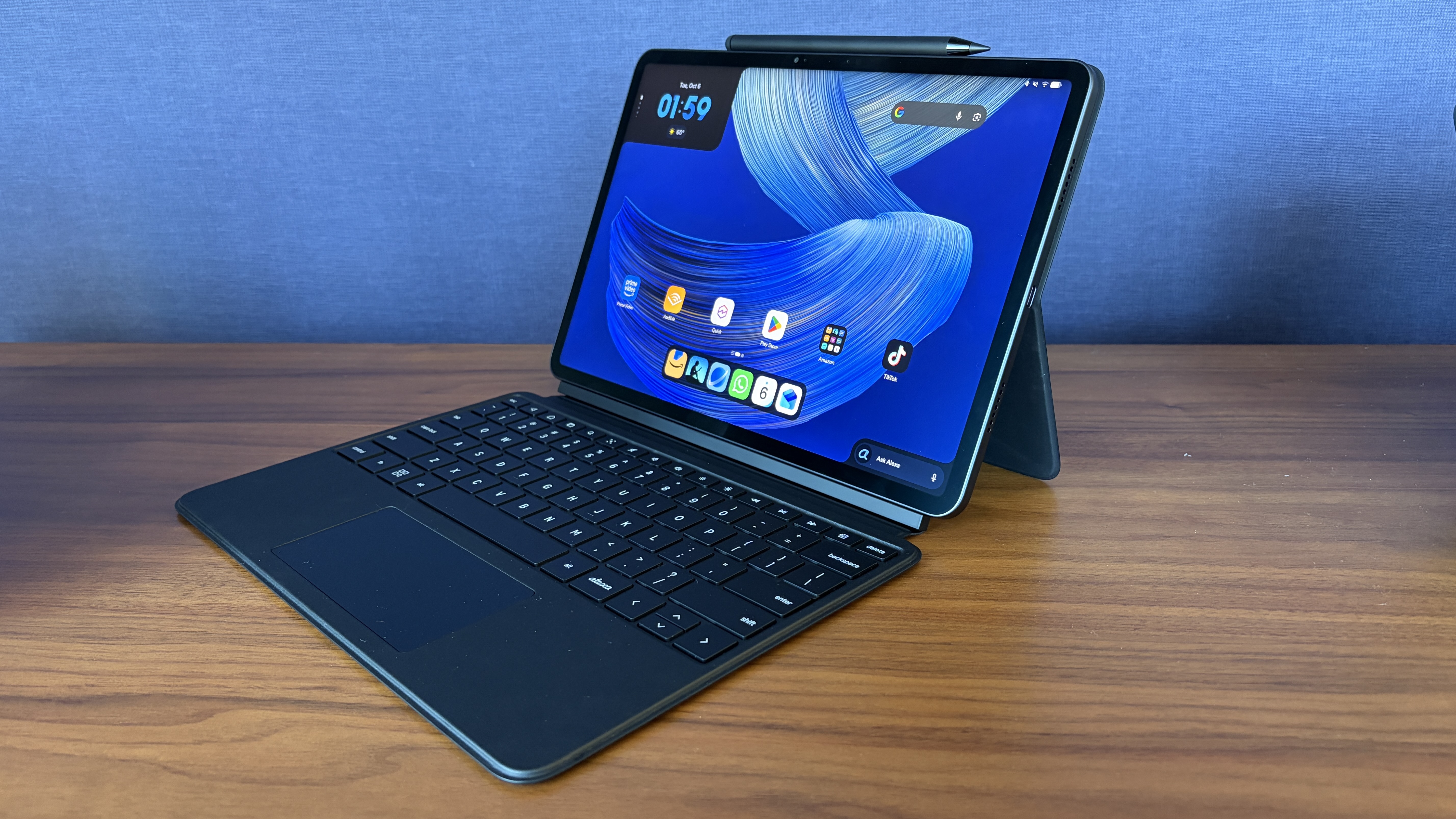
Take the Alexa Tablet 12 Pro, for example. With 16GB of RAM and a 2.8K display, it’s positioned as a hybrid device. In my opinion, this is Amazon’s attempt to compete with the iPad Pro and Surface lineup. But what many people don’t realize is that hybrid devices often excel at neither task. Sure, you can attach a keyboard and stylus, but is it as seamless as a dedicated laptop? Probably not. If you take a step back and think about it, Amazon is asking users to compromise—but at a starting price of $500, is that compromise worth it?
AI Integration: Gimmick or Game-Changer?
The integration of Alexa Plus AI is the most intriguing—and polarizing—aspect of these tablets. On-screen intelligence that can answer questions about images or locate products in videos? That’s undeniably cool. But during the demo, Alexa Plus took up to 30 seconds to respond to complex prompts. In a world where speed is king, that’s a red flag.
What this really suggests is that AI in tablets is still in its infancy. Amazon is betting big on generative AI, but I’m not convinced it’s ready for prime time. One thing that immediately stands out is the potential for this feature to be a battery drain. And let’s be honest: no one wants a tablet that dies after a few hours of use.
The Kids Tablets: A Smart Play or Overkill?
Amazon’s decision to redesign its Kids tablets is a smart move, but it also raises questions. The inclusion of a generative-AI Storybuilder tool is innovative, but is it necessary? Kids already have wild imaginations—do they really need AI to help them tell stories? From my perspective, this feels like a feature designed to impress parents, not kids.
What’s more interesting is the design philosophy. By making the Kids tablets more like adult devices, Amazon is acknowledging that kids want to feel grown-up. But this raises a deeper question: are we pushing kids too far into the digital world? A detail that I find especially interesting is the one-year subscription to Amazon Kids Plus. It’s a clever way to lock in users, but it also feels like a Trojan horse for long-term engagement.
The Bigger Picture: Amazon’s Ambitions
If you look at the broader trend, Amazon’s move is part of a larger strategy to dominate the smart home ecosystem. The Alexa Tablets aren’t just tablets—they’re gateways to Amazon’s universe of services. Prime Video, Audible, Kindle, and now AI-powered assistants—it’s all here. What many people don’t realize is that Amazon is quietly building a monopoly on digital lifestyles.
But here’s the kicker: in a world where Apple, Samsung, and Google are already dominant players, can Amazon carve out a niche? Personally, I think it’s a risky bet. The tablets are impressive, but they’re not revolutionary. They’re more like an evolution of existing ideas, repackaged with Amazon’s signature flair.
Final Thoughts: A Bold Move, But Not a Sure Bet
Amazon’s Alexa Tablets are a bold statement—a declaration that the company is serious about competing in the premium tablet market. But are they worth the hype? In my opinion, they’re a step in the right direction, but they’re not without flaws. The AI integration is ambitious but unproven, the hybrid functionality feels half-baked, and the pricing is competitive but not groundbreaking.
If you’re an Amazon die-hard, these tablets might be a no-brainer. But for everyone else, I’d wait and see. The tablet market is crowded, and Amazon still has a lot to prove. One thing’s for sure, though: the Fire Tablet is gone, and something far more interesting has taken its place. Whether it’s a phoenix or a flash in the pan remains to be seen.