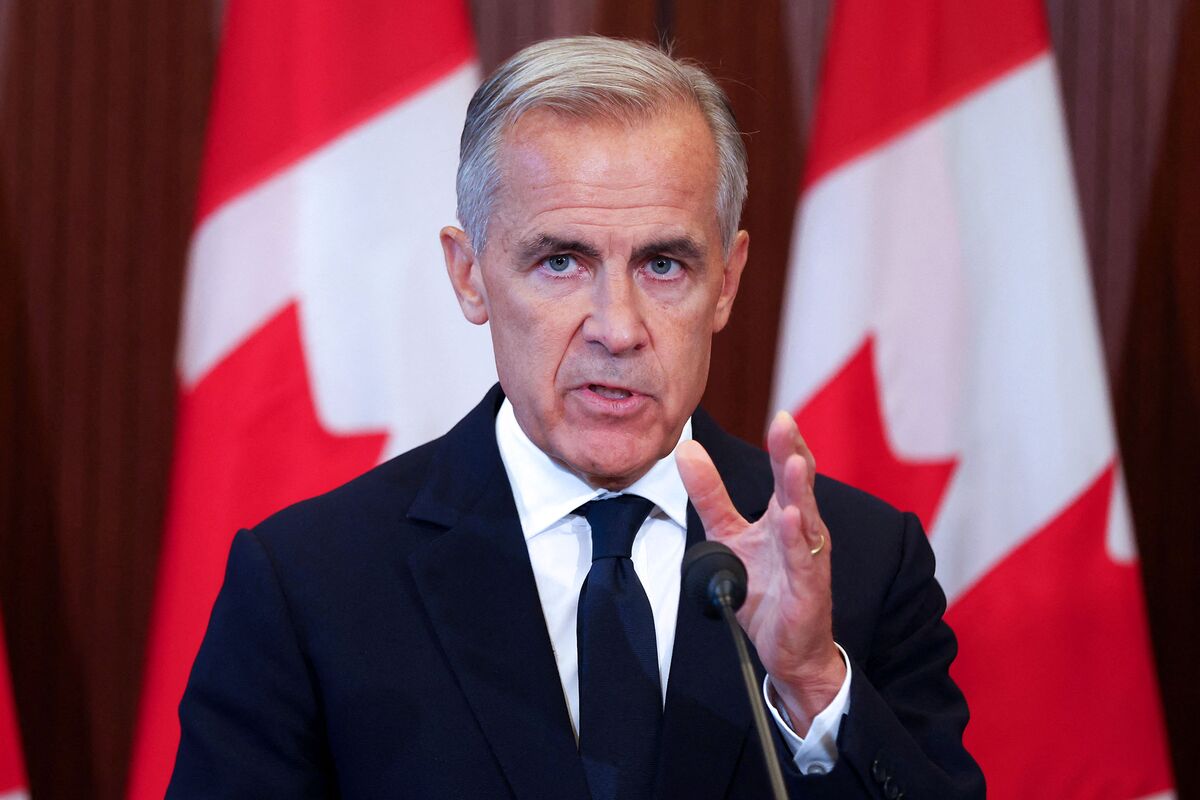
Canada's Prime Minister Mark Carney is in a delicate position as he grapples with the demands of business groups seeking more immigrants to address labor shortages, while also managing the political risks associated with increased migration. The pressure on Carney comes as business groups argue that current immigration restrictions are hindering their ability to hire qualified skilled workers in certain communities.
The Business Case for More Immigration
Business groups in Canada are advocating for a relaxation of immigration rules, citing labor shortages as a key issue. They argue that a higher annual cap on new permanent residents and stricter rules for temporary workers and foreign students are making it difficult to find the skilled workers they need. This has led to a situation where businesses are struggling to fill job openings, with 2.9 job seekers per job opening as of August, according to a Statcan report.
One commenter highlights the irony of businesses petitioning for "slave laborers" while simultaneously pushing for higher wages, stating: "If business' want workers they should pay a livable wage to people to attract them, not petition the government for slave labourers."
Another commenter points out the potential for immigration to exacerbate labor shortages, citing research by economist Pierre Fortin. They argue that new residents add demand to the economy, which can suppress the value of labor and lead to wage suppression. This perspective is echoed by University of Waterloo economics professor Mikal Skuterud, who states: "This whole idea that labor shortages are some kind of a problem that governments have to solve, it’s completely nuts. It’s one particular interest group that it benefits, and that’s the business lobby."
The Political Risks of Increased Immigration
While business groups are pushing for more immigration, the prospect of welcoming more migrants carries political risks for Carney. The recent immigration surge has been linked to labor shortages, rather than alleviating them, as new residents add demand to the economy. This has led to concerns about the impact of immigration on infrastructure and services, such as housing, health care, and education.
One commenter argues that immigration must be tied to infrastructure development, stating: "Immigration must be tied to infrastructure development. Housing, health care, education, swimming pools and ice rinks all need to be built to match the growth in demand."
Another commenter raises the issue of wage suppression, stating: "Businesses want population increase to reduce their labor costs. But of course, reducing the price of labor means lower wages for Canadians. This is very much a zero sum game and it’s obvious that the government favors business interests over labor interests."
The Way Forward
Carney faces a challenging task in balancing the demands of business groups with the political risks associated with increased immigration. While labor shortages are a real issue, the impact of immigration on infrastructure and services, as well as wage suppression, cannot be ignored. One commenter suggests a solution that involves ending the TFW program outside of agriculture, restoring rigorous monitoring systems, and sending home faux students who falsified their declarations of wealth and educational credentials. They argue that once these issues are corrected, Canada can consider bringing in more immigrants who are economically established, language proficient, educated in high-demand fields, culturally compatible, and likely to integrate.
As Carney navigates this delicate balance, he must tread carefully to avoid the political pitfalls that could potentially end his term in office. The future of Canada's immigration policy hangs in the balance, with the potential for both positive economic growth and negative political consequences.

