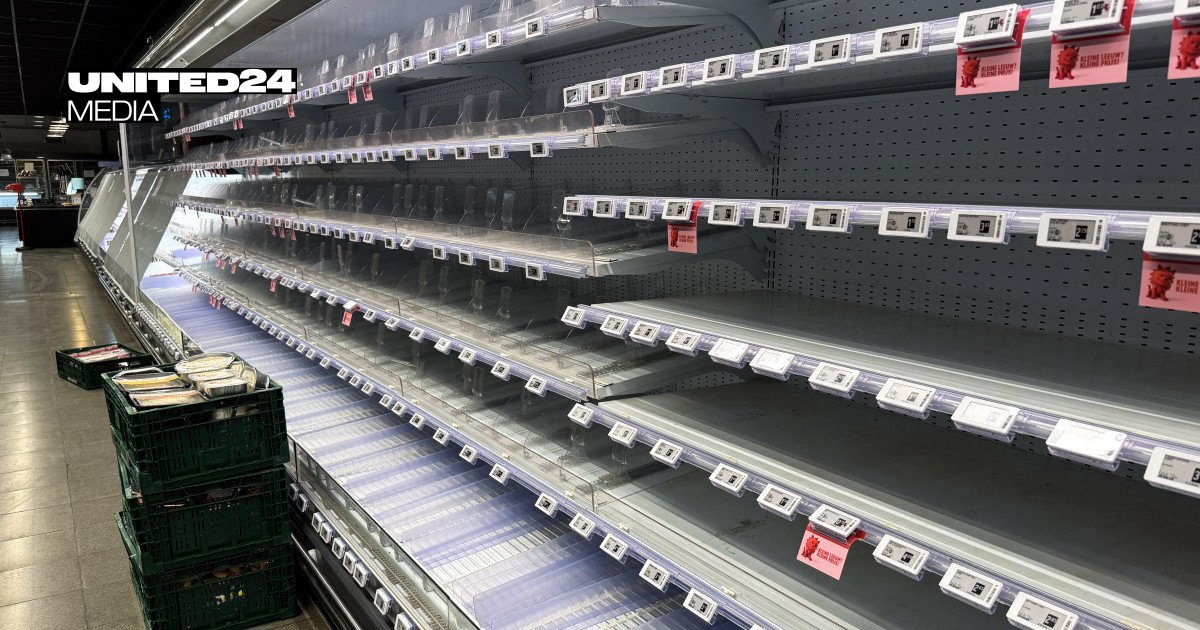
A Widespread Cyberattack on Supermarket Refrigeration
On November 2nd, a cyberattack spread across seven European Union countries, disrupting refrigeration systems in supermarkets and causing significant food wastage. The attack, which affected over 100 stores and businesses, remotely manipulated temperatures, forcing retailers to discard chilled and frozen goods.
The impact was felt in Sweden, Finland, Ireland, Belgium, Luxembourg, Estonia, and the Netherlands. Major supermarket chains, including Coop, ICA, Carrefour, and Delhaize, reported disruptions, with some stores experiencing temperatures as high as 55°C in their freezers.
"A freezer at an ICA Nära store in Boda reached 55°C, leaving food spoiled," one commenter noted, highlighting the severity of the attack.
The Role of IoT and Cybersecurity
Internet-connected refrigeration controllers, designed for remote monitoring and maintenance, were exploited in the attack. These controllers allow technicians to adjust temperatures and diagnose issues, but unauthorized access can lead to catastrophic consequences.
"All this could be done by creating local private networks and connecting them via LAN cables to the main server," suggested one user, questioning the need for internet connectivity.
Another commenter explained, "The first thing I learned was that supermarket freezers are part of a large, interconnected system. Outsourcing management and connecting them to the internet was done for convenience and cost-saving, but it left them vulnerable.
Lessons from Previous Attacks
This incident follows a similar cyberattack in France three weeks prior, where hundreds of supermarkets were targeted, resulting in extensive food losses and even fires. The attacks affected controllers from multiple manufacturers, including older models no longer receiving security updates.
"This sounds like an opportunity to create a job for a technically capable person," suggested one user, emphasizing the need for improved cybersecurity measures.
The Impact on Food Security
The recent wave of attacks raises concerns about food security and the potential for further disruption. With food supply chains increasingly reliant on technology, the impact of such attacks can be devastating.
"Attacks on food supply chains have also featured in Russia's cyber campaign against Ukraine," the article notes, highlighting the potential for state-sponsored attacks.
"It's targeted disruption from a hostile nation. Attack the food of a nation and see how quickly paranoia rises," commented one user, suggesting a strategic motive behind these attacks.
Conclusion
The cyberattack on supermarket refrigeration systems serves as a stark reminder of the vulnerabilities in our interconnected world. As we rely more on technology, ensuring robust cybersecurity measures becomes crucial to protect critical infrastructure and maintain food security. The impact of these attacks extends beyond financial losses, highlighting the need for a comprehensive approach to cybersecurity in all sectors.

