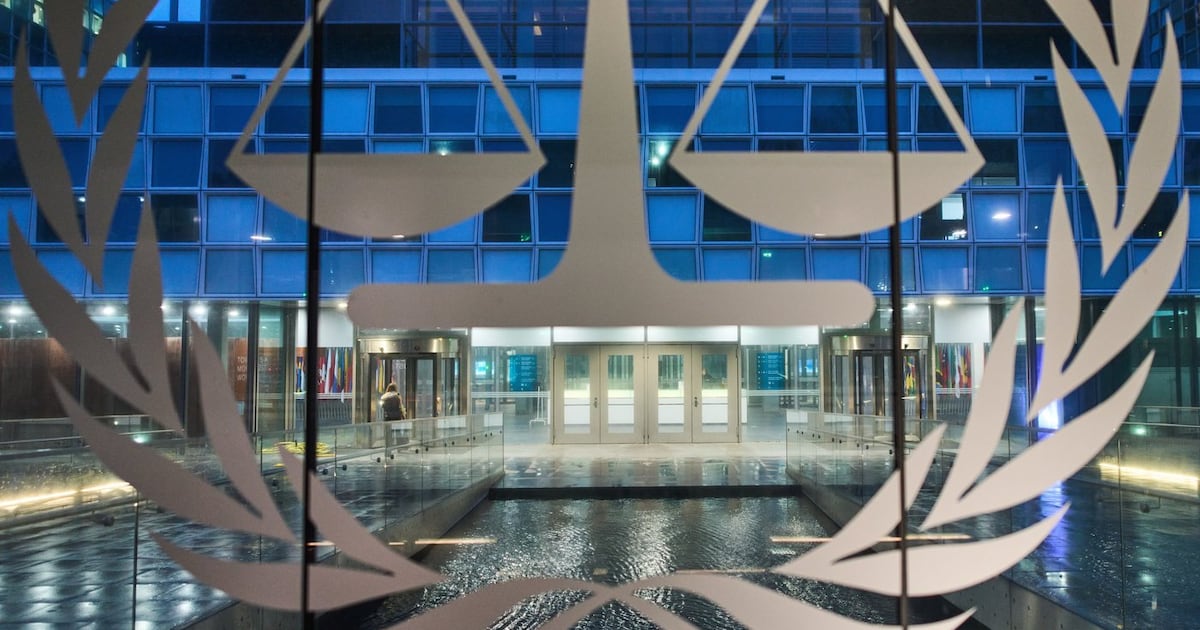
A widening diplomatic divide has emerged on the global stage following the United States' move to impose sanctions on the International Criminal Court (ICC). In response to Washington's aggressive stance toward the Hague-based tribunal, Canada has reaffirmed its explicit backing of the institution, highlighting a sharp divergence in foreign policy priorities between the neighbouring nations.
The friction stems from actions taken by the U.S. administration to restrict and penalize the ICC as the court continues investigations involving key political figures and foreign conflicts. Rather than joining its southern neighbour, Canada has chosen to side with multilateral frameworks, reinforcing its long-standing commitment to international bodies and the rule of law. The decision places Ottawa alongside European Union members, the United Kingdom, Japan, and other allies who maintain that independent judicial bodies must operate without economic coercion or executive interference.
The Friction Over Multilateral Justice
At the core of the dispute is a fundamental disagreement over sovereign immunity and international jurisdiction. While Washington argues that international bodies should not hold authority over non-member states or their partners, Canada and fellow ICC signatories view the court as a vital instrument for holding leaders accountable for war crimes and human rights violations regardless of political power.
The public reaction across legal and political observer groups reflects intense skepticism regarding the shifting posture of Western leadership. Critics view the American pressure tactics as a troubling departure from historic democratic norms.
"we didn't \"choose a side\". we were always on that side. it's america that's choosing to take an even more hostile stance against the international criminal court for reasons that couldn't be more obvious."
Others pointed to the historical irony of the current geopolitical realignment, noting how dramatically coalition dynamics have shifted over the past several decades.
"we've fallen far from when the U.S, Canada and other nations were going after war criminals in Bosnia..."
"Ironically enough, the former Axis nations are now the ones defending democracy and international law against the US."
Geopolitical Realignment and Strategic Fallout
Canada's decision to maintain its support for the ICC is not merely symbolic; it underscores a broader realignment among traditional Western allies. Observers note that middle powers like Canada face an increasingly difficult balancing act—sustaining deep economic and security ties with the United States while defending the international legal architecture built after World War II.
The standoff raises pressing questions about the future stability of global governance. As unilateral sanctions are increasingly deployed against international oversight organizations, the consensus that once underpinned global diplomacy faces unprecedented strain. For Canada, standing firmly with multilateral institutions represents a calculated commitment to an international order governed by rules, even when doing so creates friction with its closest neighbor.

