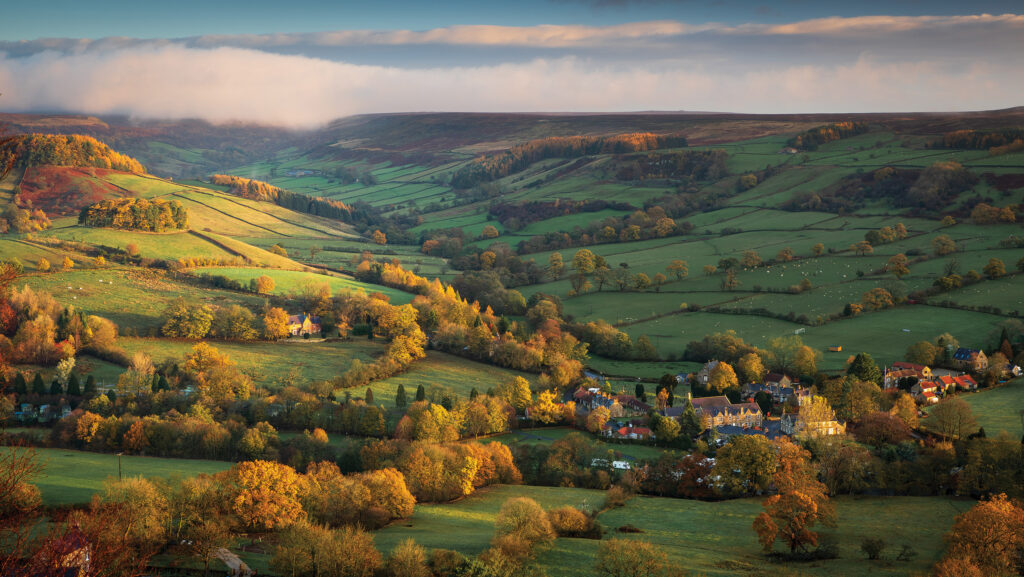
The Hidden Emotional Minefield Lurking Beneath Family Farm Successions
When we talk about agriculture, our minds usually drift toward weather patterns, commodity prices, and the sheer physical labor of working the land. But personally, I think the most volatile element of farming has almost nothing to do with soil or crops. It has everything to do with family dynamics, unwritten contracts, and the heavy burden of inheritance. What makes this particularly fascinating—and deeply tragic—is how a way of life built on generations of trust can unravel so completely over a single broken promise.
The Danger of the Informal Handshake Culture
For generations, the lifeblood of farming communities has been the spoken word. A father or mother tells their child, "Stick around, work the land for below-market wages, build your life here, and one day all of this will be yours." From my perspective, this casual informality used to work when families stayed put and land values were stable. But if you take a step back and think about it, relying on kitchen-table agreements in a multi-million-dollar modern economy is a recipe for disaster.
- The sacrifice trap: Younger family members spend decades working grueling hours for minimal pay, believing their future security is guaranteed.
- The shifting landscape: As land values skyrocket and tax laws shift, informal promises made decades ago suddenly carry massive financial stakes.
- The illusion of security: People often assume blood ties will protect them, forgetting that grief and financial pressure change everything.
What many people don't realize is that these situations rarely blow up because someone is inherently malicious. More often than not, it is a slow accumulation of unspoken expectations colliding with real-world economic pressures like soaring eldercare costs. One thing that immediately stands out to me is how easily an off-the-cuff remark made over Sunday roast can turn into a legal battleground years later.
Unravelling the Legal Reality of Broken Expectations
When these family arrangements fracture, the legal system steps in through concepts like proprietary estoppel—essentially a legal mechanism designed to punish unfairness when someone relies on a promise to their own detriment. A detail that I find especially interesting is that these claims are increasingly being fought before the older generation even passes away. Families are no longer waiting for the reading of a will to air their grievances; the tension is boiling over into the open while everyone is still alive.
In my opinion, this shift signals a profound erosion of blind trust within rural communities. What this really suggests is that the traditional patriarchal or matriarchal model of farm succession is breaking down under the weight of modern financial realities. When a child builds a house on family-owned land without clear documentation, they are essentially constructing their future on shifting sand. Families hate paying for professional legal and tax advice early on, viewing it as an unnecessary expense, but they fail to see that a court battle will inevitably cost exponentially more—both in financial terms and in the permanent destruction of family bonds.
Looking Beyond the Ledger: The Broader Cultural Shift
If we look at the bigger picture, the crisis in farm succession is a mirror reflecting how modern society handles longevity, wealth, and autonomy. People are living longer, which is a wonderful triumph of modern medicine, but it also means elderly parents may need to liquidate land to fund expensive long-term care. When a farm promised to a child has to be sold off to pay for a nursing home, the collision between parental survival and children's expectations creates an emotional inferno.
What this highlights is that succession planning is never just a legal document or a tax strategy; it is an act of radical emotional transparency. Personally, I believe the hardest part of farming isn't waking up before dawn to brave the elements. The hardest part is sitting down across from the people you love and having the uncomfortable, unromantic conversations required to ensure that tomorrow doesn't destroy what you spent a lifetime building.