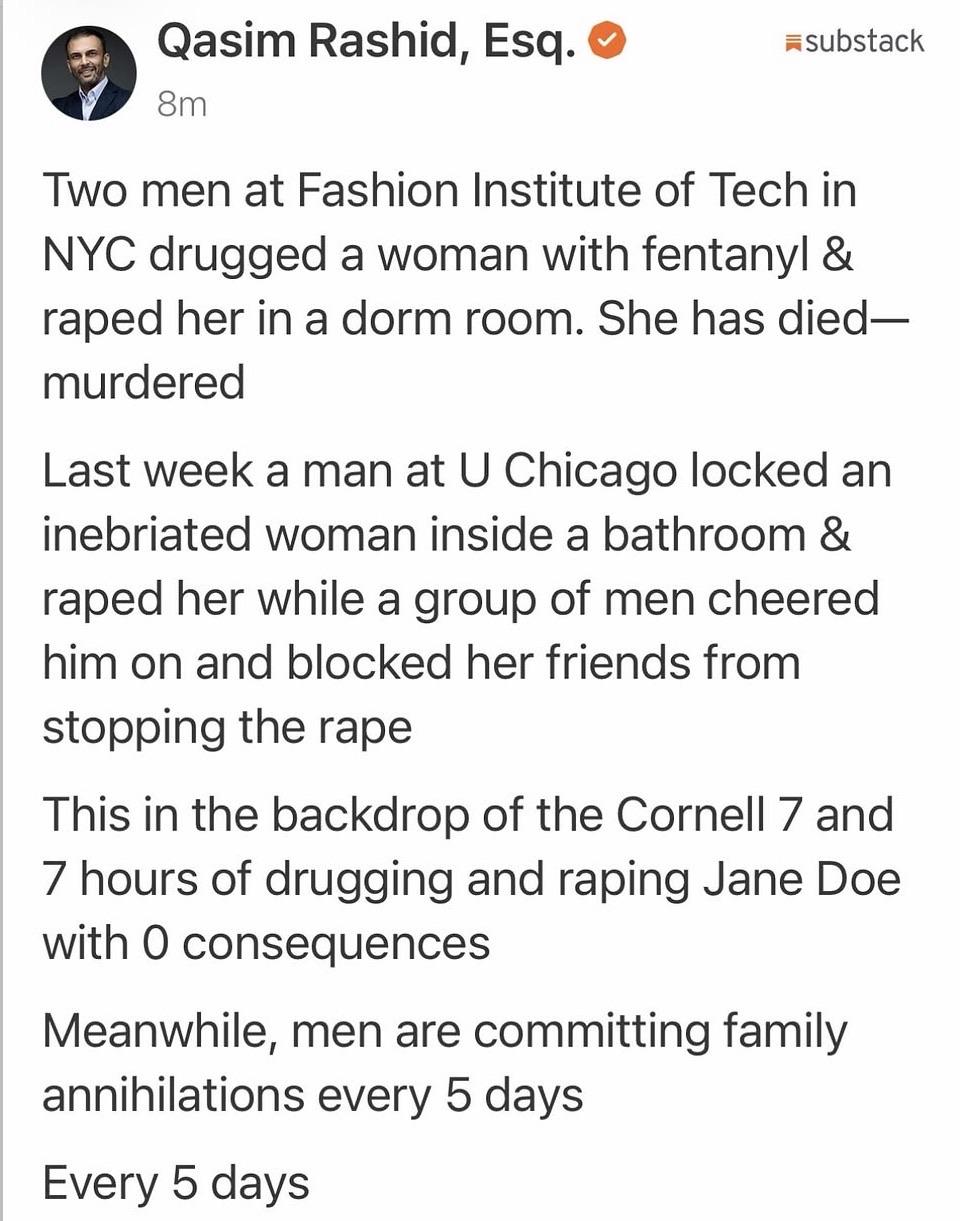
Recent criminal charges tied to sexual assault incidents on college campuses have reignited national discussions regarding student safety, institutional oversight, and accountability. High-profile cases brought to light in major metropolitan areas have drawn sharp focus to how universities, fraternities, and local law enforcement handle reports of violence and misconduct.
Legal developments in these cases have also highlighted complexities within the American judicial system. Federal charges brought in connection with campus incidents often carry different sentencing guidelines compared to state prosecutions, altering potential outcomes for defendants. Discussing the intricacies of overlapping jurisdictions, one observer noted, "The states independently decide what constitutes a crime and what the punishment for those crimes are for anything they have constitutional power over and the FEDS do the same."
Beyond the courtroom, these incidents have fueled broader cultural conversations regarding bystander intervention and peer dynamics within student organizations. Observers have pointed out that problematic peer cultures can enable harmful behavior when groups fail to intervene or actively encourage misconduct. Commenting on the societal dimensions of these discussions, one participant observed, "Where I'd agree is the group of men cheering and blocking her friends. That's a real problem: peer cultures that enable assault instead of stopping it. That's something men can and should push back on."
As advocacy groups and students continue to demand stricter preventative measures, university administrators face mounting pressure to reevaluate campus security policies, disciplinary frameworks, and support systems for victims. The ongoing dialogue underscores a persistent challenge in higher education: creating environments where safety is prioritized and misconduct is swiftly and transparently addressed.