Let's dive into the fascinating world of economic spin and the art of putting a positive spin on potentially concerning data.
The Spin Cycle
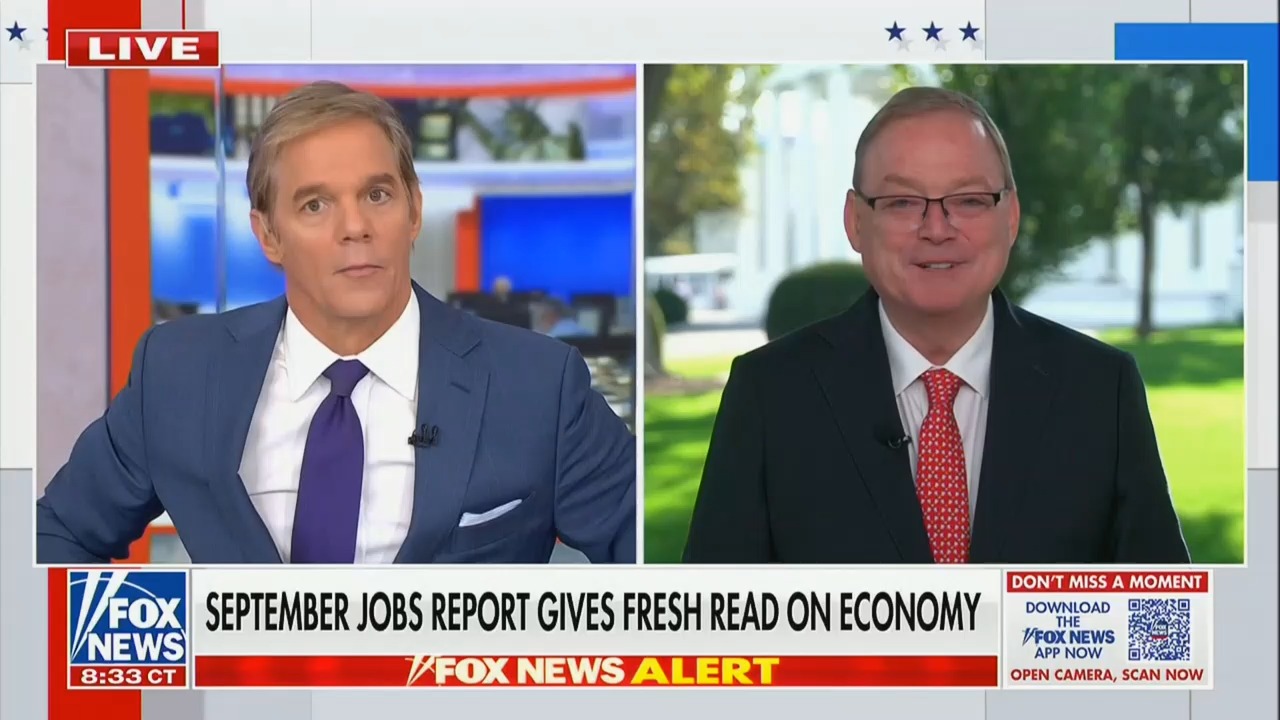
In a recent interview, Kevin Hassett, Trump's economic chief, had an interesting take on the soft jobs report that left many scratching their heads. Despite adding only 29,000 jobs, far below the expected 90,000, Hassett proclaimed, "We're very, very happy!"
What makes this particularly fascinating is the way Hassett chose to interpret the data. He highlighted the positive aspects, such as the revised GDP figures and the decline in inflation, to paint a rosy picture. Personally, I think this is a classic example of cherry-picking data to support a narrative.
The Factory Focus
One detail that I find especially interesting is Hassett's emphasis on factory construction jobs. He claims that 12,000 of the reported jobs were in this sector, and that this is a sign of future growth. While it's true that factory construction can lead to more jobs down the line, it's a bit of a stretch to celebrate these numbers as a major victory.
In my opinion, this focus on factory jobs is a strategic move to divert attention from the overall weak job growth. It's a clever tactic, but one that might not hold up under closer scrutiny.
Market Euphoria
Hassett also attributes the market's positive reaction to the report as a sign of approval. He states, "The markets are celebrating so much." But what many people don't realize is that markets can be influenced by a multitude of factors, and a single jobs report is just one piece of the puzzle.
The market's reaction might have more to do with investor sentiment and other economic indicators than this particular jobs report. It's a complex web of influences, and to attribute the market's euphoria solely to the jobs report is a bit simplistic.
The Bigger Picture
This raises a deeper question: Are we, as a society, becoming desensitized to economic spin? It's easy to get caught up in the daily headlines and forget to take a step back and analyze the broader trends.
From my perspective, it's crucial to approach these economic narratives with a critical eye. While it's important to celebrate progress, we must also remain vigilant and not be swayed by selective interpretations of data.
Conclusion
In a world where information is readily available, it's our responsibility to question and analyze the narratives presented to us. The art of spin is a powerful tool, but it's up to us to ensure it doesn't overshadow the reality of the situation. So, let's keep our eyes open, our minds curious, and our critical thinking skills sharp!