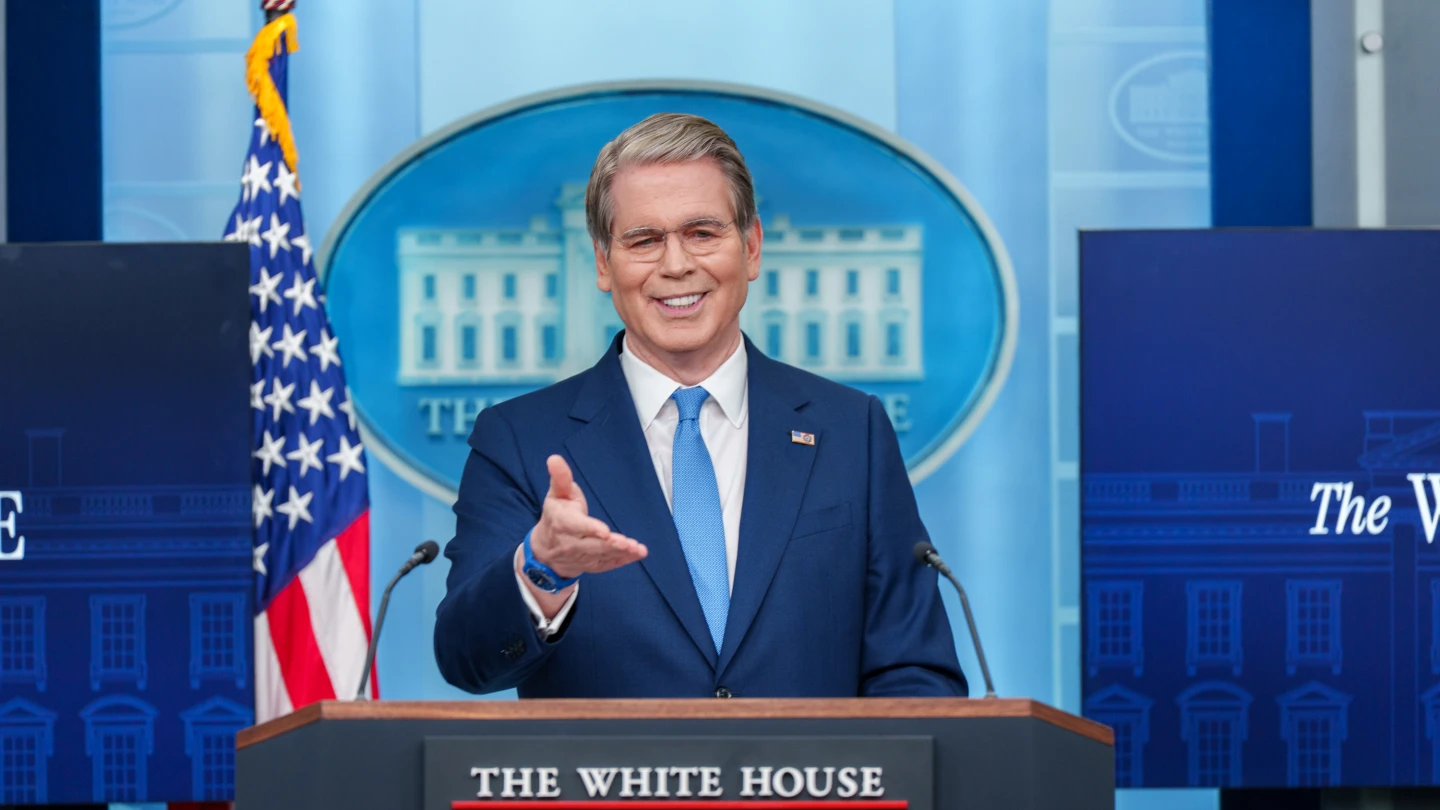
U.S. Treasury Secretary Scott Bessent announced that ongoing economic pressures have severely restricted Iran's financial capabilities, leaving the government unable to pay its troops or secure foreign currency. According to administration estimates, these measures are expected to drive a substantial contraction in the Iranian economy.
The Impact of Operation Economic Outcast
Speaking to media outlets, Bessent detailed the scope of what officials have termed "Operation Economic Outcast," characterizing it as an unprecedented effort to isolate a national economy. Internal projections cited by the Treasury Department suggest that the country's economic output could contract by up to 25 percent over the course of the year-long conflict and blockade.
Beyond domestic economic strain, officials claim the financial squeeze has disrupted state funding for regional proxies, including the Houthis, Hamas, and Hezbollah. The restrictions on foreign currency acquisition are reportedly hampering the state's capacity to replenish resources and maintain regular operations for armed units.
Skepticism and Critical Perspectives
While administration officials frame the economic campaign as a decisive pressure tactic, analysts and observers have questioned both the immediate impact and the strategic implications of these figures. Critics note that Iran has lived under heavy international sanctions for decades, raising doubts about whether financial restrictions alone can fundamentally alter long-standing state strategies or alter the calculus of forces engaged in asymmetric conflicts.
Others pointed out that sustained economic hardship does not automatically translate into internal collapse, particularly for a regime accustomed to prolonged isolation. Observers remain divided on whether financial blockades will achieve their stated objectives or simply entrench existing domestic and regional dynamics.

