The United States military is actively adjusting its posture in the Indo-Pacific, driven by assessments that Beijing could possess both the capability and the intent to move against Taiwan as early as next year. This strategic focus centers on a timeline known in defense circles as the "Davidson window," named after a 2021 warning by Admiral Philip Davidson regarding potential Chinese military action.
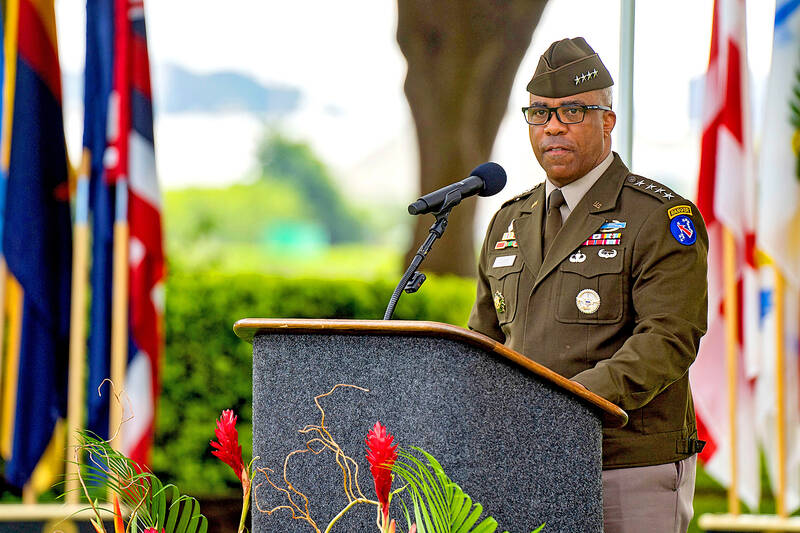
Speaking at a regional conference in Honolulu, US Army Pacific commander General Ronald Clark confirmed that the military continues to use this six-year timeframe as a benchmark for operational readiness. Under an initiative known as Army Ready Forward, the command has positioned equipment, materiel, and personnel on a rotational basis across island chains west of the International Date Line. Defense planners are currently grappling with the challenge of balancing high-end military systems with affordable, mass-producible alternatives, particularly in the realm of autonomous technology.
While military planners prepare for various contingencies, broader intelligence assessments offer a more nuanced view of Beijing's immediate plans. An annual threat assessment issued by the US Office of the Director of National Intelligence indicated that Chinese leaders do not currently maintain a fixed timeline for unification and are not actively executing an invasion plan. Instead, decision-making in Beijing is expected to weigh multiple variables, including the operational readiness of the People's Liberation Army, political developments in Taiwan, and the likelihood of direct foreign intervention.
The strategic focus on the region has also sparked broader discussions regarding global stability and deterrence. Observers frequently debate whether economic factors, supply chain dependencies, and shifts in global power projection could ultimately influence the trajectory of cross-strait relations. As military leaders continue to set the theater for potential conflicts, the primary objective remains maintaining a credible deterrence to ensure stability in one of the world's most critical geopolitical flashpoints.

